
























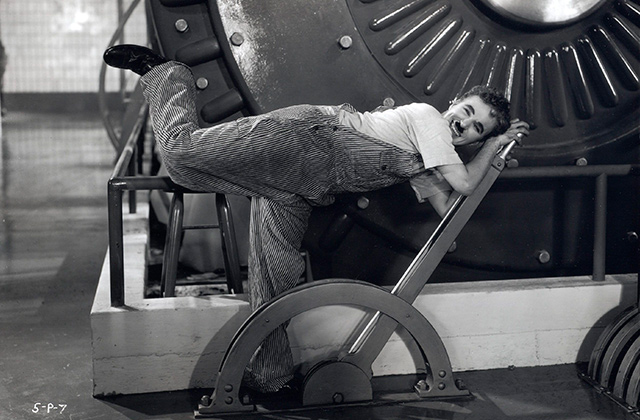
Photo credit : Roy Export SAS_Gll.IAM
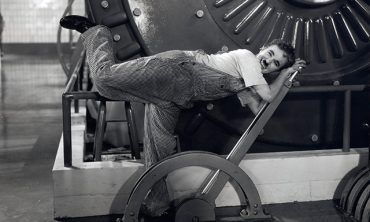
Screening of Charlie Chaplin's film
Modern Times (1936)

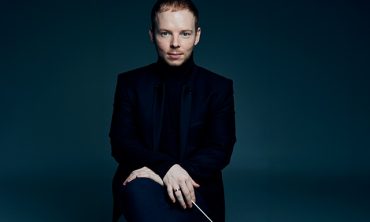
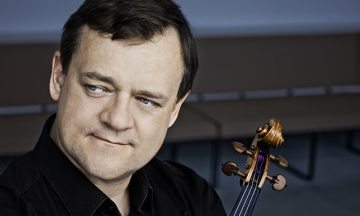
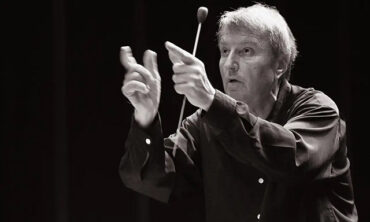
Conductor
Frank STROBEL
ABOUT
Following the triumph of City Lights (1930), Charles Chaplin embarked on a world tour. There, he witnessed the rise of nationalism and the social crisis affecting Europe. It was during this period that he met the actress Paulette Goddard. Her youthful spirit rekindled his desire to create. He wrote Modern Times for her, the story of a factory worker driven to the brink of despair who finds redemption through the love of an orphan girl, always ready to rebel against injustice. Charlot had found his female alter ego. Together, they confront an America where mass unemployment coincides with the rapid growth of industrial mechanization. When Modern Times was released in 1936, it seemed outdated and anachronistic. Time, however, has restored its status as a classic. Today, Chaplin’s genius can be measured in the timeless simplicity of the themes he explored: humanity facing destiny, and the revolt of conscience against oppression. Modern Times also marks Chaplin’s transition from clown to philosopher, foreshadowing his later masterpieces, The Great Dictator (1939) and Limelight (1951).
Vincent Vatrican
In partnership with the Monaco Audiovisual Institute.


Duration of cine-concert: 1h40 without intermission
PRICE(S): 38, 28, 20€